


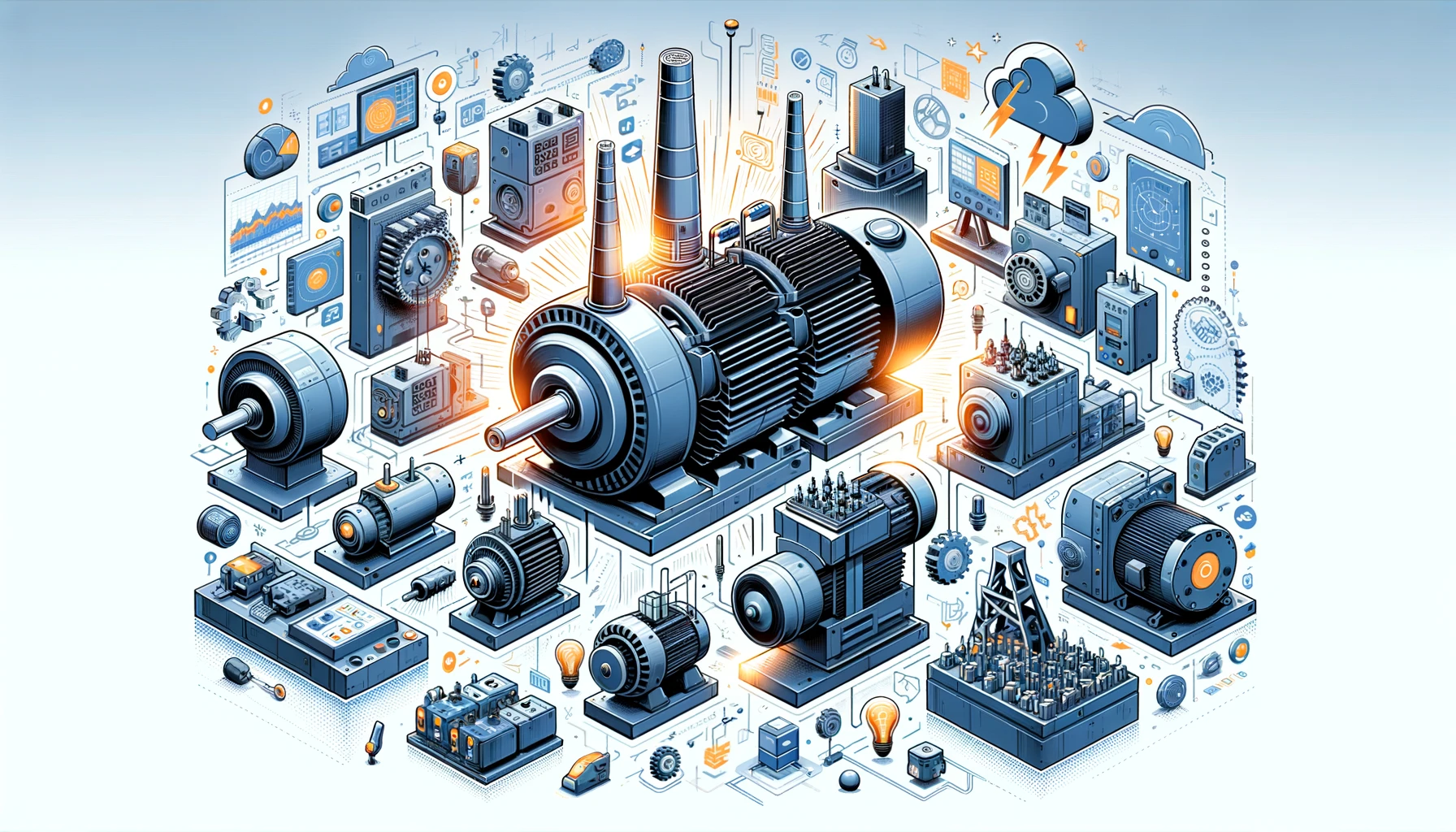
Industrial frequency converters optimize motor speeds to match changing load demands, drastically reducing energy waste and mechanical stress. These devices alter the fixed voltage and frequency of utility power into variable values, giving operators total authority over electric motors. Instead of running a motor continuously at maximum velocity, a converter adjusts the output to fit the precise needs of the application. This fine-tuned control preserves machinery, slashes utility costs, and increases the precision of manufacturing lines worldwide.
How Frequency Converters Manage Power Supply
The primary mechanism of an industrial frequency converter relies on a three-step electrical transformation. Standard grid power enters the system as alternating current with a fixed frequency, typically 50 or 60 Hertz. The converter immediately directs this incoming electricity through a rectifier stage, utilizing heavy-duty diodes or thyristors to turn the alternating current into stable direct current.
Once converted, the direct current flows into an internal filter network containing massive capacitors. This middle stage smooths out any remaining voltage ripples, creating a clean energy reservoir. Finally, an inverter stage uses high-speed insulated-gate bipolar transistors to rebuild the electrical signal. The transistors switch on and off thousands of times per second, synthesizing a simulated alternating current wave at the exact frequency and voltage needed for the target application.
Key Benefits of Variable Speed Technology
Implementing frequency converters yields immediate improvements in operational efficiency and machinery lifespan. Running heavy motors at full capacity when a process only requires a fraction of that energy creates immense system friction and waste. By adjusting the operational speed to mirror actual workloads, facilities experience a significant drop in power consumption.
- Minimized Mechanical Shock: Traditional across-the-line starting sequences trigger severe torque spikes that strain gears, belts, and bearings. Converters ramp up motor speeds gradually, eliminating these aggressive mechanical jolts.
- Precise Process Control: Automated systems rely on accurate flow, pressure, and speed regulation. Converters integrate seamlessly with digital sensors to maintain exact parameters without relying on restrictive mechanical throttles or bypass valves.
- Reduced Thermal Stress: Lower running speeds prevent excessive heat buildup inside motor windings. This thermal reduction slows insulation degradation and extends the operational lifespan of the connected equipment.
Common Industrial Applications
Industrial environments deploy frequency converters across a massive spectrum of machinery to stabilize complex automated sequences. Large centrifugal pumps and ventilation fans derive the highest financial benefit from variable speed adjustments due to affinity laws, where minor speed reductions drop power consumption exponentially. A fan running at 80% speed uses roughly half the energy of a fan running at full speed.
Conveyor systems utilize these converters to coordinate smooth material transport across multi-stage assembly lines, preventing product damage from sudden jolts. Heavy-duty mixers, compressors, and hoisting cranes depend on the high startup torque capabilities of advanced converters to lift or mix heavy materials safely from a dead stop. The technology adapts to the specific physical demands of virtually any motor-driven industrial asset.
Choosing the Right Converter Architecture
Selecting the appropriate frequency converter requires careful evaluation of the specific load characteristics and environmental threats of your facility. Variable torque applications like simple pumps require less aggressive control algorithms compared to constant torque machinery like crushers or positive displacement pumps. Matching the converter performance profile to the specific torque curve prevents premature hardware failures.
Environmental protection remains another critical variable during system integration. Heavy manufacturing spaces filled with airborne dust, moisture, or chemical vapors require ruggedized enclosures with high Ingress Protection ratings to shield internal electronics. Additionally, engineers must assess potential harmonic distortion introduced to the local power grid, installing active filters or line reactors when necessary to protect sensitive peripheral devices.
Conclusion
Industrial frequency converters represent an indispensable technology for modern facility management, asset preservation, and energy conservation. Transitioning away from rigid, single-speed motor control protects your physical equipment while protecting your bottom line from rising energy costs. Evaluating your operational demands and installing the correct converter system ensures your facility operates with maximum reliability and pinpoint precision.


